
Colonie Busted Mugshots and Arrest Records
Colonie is a town, not a city. In the official adjusted 2020 population table it ranks second among the county's municipal units, counting 85,693 residents. For a police event in town, the local agency is usually the Colonie Police Department. Its Records Division keeps the official reports and arrest records and handles FOIL requests. That makes the department a records starting point. Still, not every event it handles produces a booking photo.
Arrest, booking, and custody are three different things. Police can issue an appearance ticket and release someone without any county booking. County detention happens at Albany County Correctional Facility, or ACCF. It sits inside the Town of Colonie itself. Keep the two threads distinct. An ACCF stay doesn't mean Colonie Police made the arrest, and a Colonie Police report doesn't mean anyone ever entered ACCF.
Colonie busted mugshots and arrest records start at the local police desk. A booking happens there first. An officer logs the name, the time, and the charge. That entry then becomes part of the town's public arrest record.
Where Colonie Busted Mugshots Appear
There is no official Colonie daily booking log. No same-day mugshot feed exists. No 48-hour or 72-hour archive either. A weekly photo roster or public gallery? Also absent. The county corrections page offers no public name roster, booking-date filter, photo thumbnails, or stated archive. So official sources point you toward the record holder and current custody status rather than a photo search.
| Channel | Photo or record scope | Status | Best use |
|---|---|---|---|
| Colonie Police Records Division | Police reports and arrest records; no public photo feed verified | Official | Request a releasable local record from the agency that created it. |
| Albany County Corrections | County detention context; no public mugshot roster verified | Official | Use its VINE route for custody or release status, or direct a narrow record request to the appropriate county holder. |
| New York Courts WebCriminal | Selected criminal-case information and future appearances | Official | Follow the court process after an arrest or booking. |
| RecentlyBooked Albany County | Third-party entries may display a photo when available | Unofficial and volatile | Treat it only as a lead, then verify details with the agency or court. |
| Spotlight News | Periodic Colonie-area police-blotter reporting | Selected news coverage | Use a story to identify an agency or court, not as a complete roster. |
RecentlyBooked says its Albany material is refreshed often. That is the site's own claim, not a county promise. Entries there can linger after a person's release or after later court action. Spotlight's blotter for the town area can add useful local context. Yet it is selective reporting and may include no photograph at all.
Note: A person can show up in a report or news item without any ACCF booking page, and custody changes can outrun a static third-party entry.
Busted in Colonie: Booking Lookup
Match the source to the question. A Colonie Police record covers the local event itself. ACCF and VINE answer custody or release questions. The court answers what happened after the arrest. For anything involving a county booking, the Albany County custody and record path lays out the wider county contacts and FOIL route.
- Identify the arresting agency and gather the person's full name, approximate event date, and any report or booking number.
- Ask whether the event led to custody. For current detention or release status, use the VINE path linked by Albany County Corrections rather than a news item or a third-party profile.
- When the desired item is a police report or releasable photograph, ask Colonie Police Records whether it maintains that specific record. If ACCF created the booking record, direct the request to the county holder instead.
- For a later appearance or outcome, check WebCriminal when its court coverage fits, then contact the relevant clerk for the authoritative court record or a Certificate of Disposition.
New York's appearance-ticket rules matter here. A qualifying police event can go straight to court with no custodial booking, so don't assume an ACCF entry or photo exists. The reverse happens too. Someone can be booked and released before any news item appears. A blank result in one channel says nothing about the others.
Colonie Police Records Requests
The Town of Colonie names the Police Chief as the department's records access officer. A request that describes the record reasonably should get a response within five business days. That clock covers the response only. It might grant, deny, or simply acknowledge the request and give a later estimate. It is not a promise that a photo or report arrives within five days.
Colonie Police Department
Public Safety Center
312 Wolf Road
Latham, NY 12110
Non-emergency: (518) 783-2744
Records access officer: Police Chief
The town's FOIL form lists 25 cents per page for ordinary copies. Photos and electronic media may carry extra actual costs. A denial can be appealed to the Town Attorney within 30 days. Check the current submission method with the town or the department before sending anything, since the form is a document rather than an interactive portal.
Give Records a full name, an approximate incident date, the arresting agency, and any report or booking number. Say plainly what you want: a police report, a releasable arrest record, or a photograph. Ask for electronic copies if they exist, accept lawful redactions, and request a fee estimate up front. That helps the agency locate its own record without building a new log or searching unrelated county systems. The Colonie Police administrative services page identifies the Public Safety Center and the department's service context.
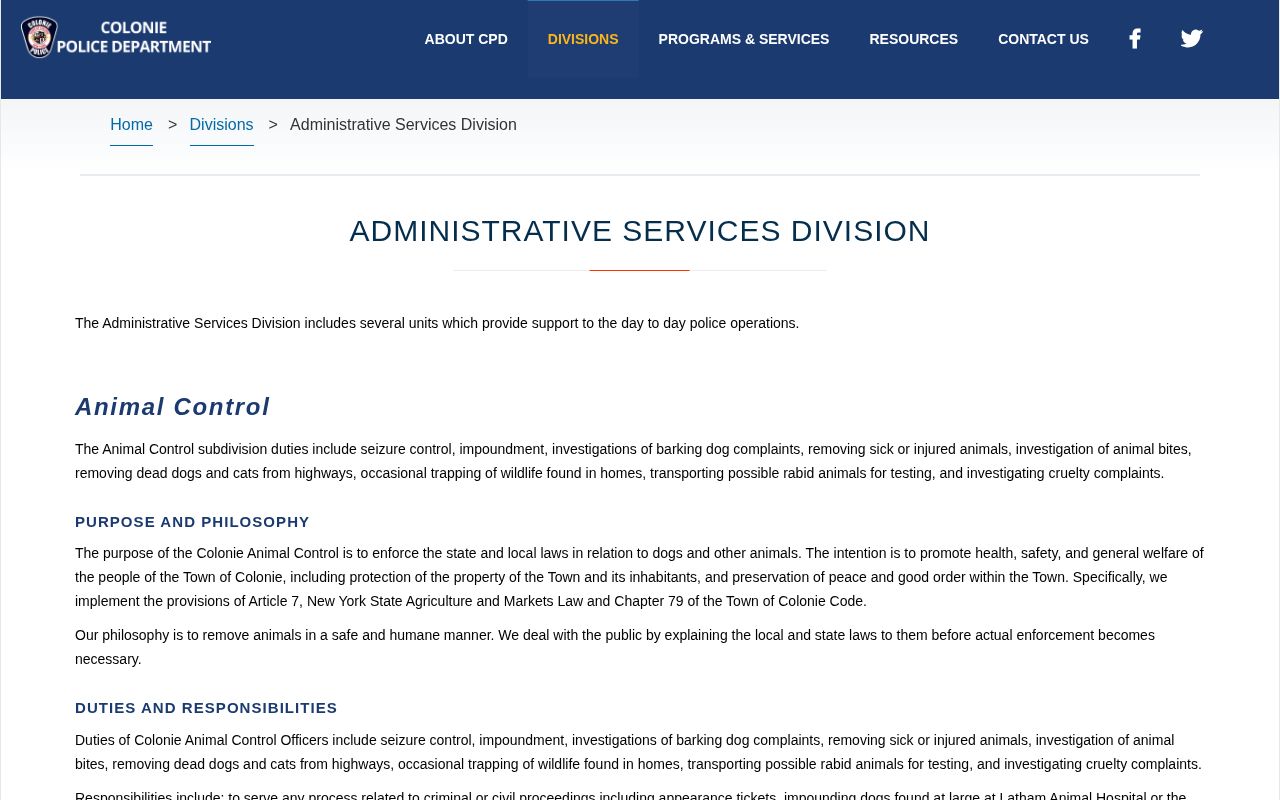
The official service page backs up the agency-contact route. But it does not make the Public Safety Center a public booking-photo source. Name the Police Department, supply a date and agency, request only releasable records, and ask whether the record sits locally or with the Albany County Sheriff and ACCF.
New York FOIL opens with broad access to agency records. Exemptions can still shield investigations, privacy, public safety, confidential sources, or sealed material. So a response may arrive with redactions or a written denial. The record holder has no duty to create a new roster or search every agency for you.
Colonie Arrests, ACCF Custody, and Release
The Albany County Correctional Facility sits in the Town of Colonie. That trips people up. It serves the whole county, not just the town. An arrest made anywhere in Albany County can land a person there. A Colonie arrest can also be resolved with no county detention at all. So before searching, sort out two things. Which agency wrote the police report? And which agency, if any, actually took custody?
- Arrest
- A police action that begins a case or enforcement event. It may lead to release, an appearance ticket, or custody.
- Booking
- The intake record created when a person is processed into a detention setting. It is not automatic after every arrest.
- Current custody or release
- A present status question. Albany County's official corrections page directs users to VINE, which is a status and notification channel, not a photo roster.
- Disposition
- The court's later case result. It is different from a charge at arrest, a booking entry, or a release from custody.
Someone serving a state sentence is a different story. The county booking system will not show that person. New York State Department of Corrections and Community Supervision keeps its own offender lookup for everyone in its custody. That tool covers state prisons, though. It is not an ACCF roster, and it will not stand in for Colonie Police records.
Colonie Busted Bookings and Dispositions
A booking entry tells you almost nothing about how a case ends. Neither does a release date. For case details and court dates in selected New York courts, use WebCriminal. Cases go missing there for several reasons: sealing, youthful offender status, a record not yet entered, or no future appearance scheduled. A blank result never means the arrest did not happen.
Need a finished case on paper? Ask the right court clerk for a Certificate of Disposition. New York Courts calls it the official record of the charge, conviction, date, and sentence. It beats a booking page, a release notice, or a news account every time. Remember that a release is not the same as a dismissal.
The timeline lives in pieces. The arresting agency holds one part. ACCF holds another. The court keeps a third. Write down where each record came from and when it was made. That habit keeps a custody update from being mistaken for a case result. It also stops a later court outcome from being read backward into the original police record.
New York sealing rules can shut off public access to a court, police, or identification record. A stale third-party page proves nothing about sealing. It is not a current legal record either.
Colonie News, Arrests, and Record Follow-Up
Colonie news moves to its own beat. Spotlight puts out periodic town-area blotters. Meanwhile, WNYT's crime coverage and the Times Union news section carry selected breaking crime, arrest, and court stories across the Capital Region. These outlets help pin down an agency, a court, or a reporting date. They are not a complete arrest feed. They are not a guaranteed photo stream either.
A photo in a news story is not automatically a booking photo. It may come from an agency, a reporter, a witness, or another source. Treat local stories as context. Then confirm the record with the police department involved, the ACCF custody route, or the court. The Albany County crime-news record path lays out the wider local reporting landscape.
Publishing schedules never line up. A blotter may run days after an event. A breaking story may post before the court has entered anything. A third-party profile can linger long after a release. Attach the record type and its date to every claim you make.
Note: When local reporting and a later court outcome conflict, verify with the official source that created the record.